

Can Hantavirus Affect Dogs?
Dogs are not considered a typical hantavirus patient the way people are. The practical concern is usually not that your dog will develop hantavirus pulmonary syndrome. The concern is that your dog may bring infected rodents, droppings, urine, saliva, or nesting material closer to people.
Health guidance can sound slightly different depending on the source. In the U.S., the main concern remains wild rodents and their contamination, not dogs. CDC notes that in the United States, dogs and cats are not known to be an important source of hantavirus infection for people. Some public health departments discuss possible exposure in pets, but still emphasize that dogs and cats do not get sick, do not show symptoms, and do not directly spread the virus to people.
The takeaway for dog owners is the same: do not treat your dog as the source of hantavirus. Treat rodents and rodent-contaminated areas as the risk.
Can dogs get sick from hantavirus?
Dogs are not expected to develop the classic human illness linked to hantavirus. If your dog seems sick after finding, catching, or eating a rodent, do not assume it is hantavirus. Other risks are more likely, including bites, wounds, parasites, bacteria, stomach upset, or exposure to rodent poison.
Call your vet if your dog is vomiting, weak, coughing, feverish, bleeding, acting painful, refusing food, or behaving unusually after contact with a rodent.
Can dogs get hantavirus pulmonary syndrome?
Hantavirus pulmonary syndrome, often called HPS, is the serious lung illness people worry about after exposure to infected rodents. It is not something dog owners should frame as a common dog disease.
If a person in the home had rodent exposure and later develops flu-like symptoms, fever, deep muscle aches, coughing, or shortness of breath, seek medical care right away and mention the rodent exposure.
Can Dogs Spread Hantavirus to Humans?
Dogs are not known to directly spread hantavirus to people. You do not get hantavirus simply because your dog walked near you, slept on the couch, licked your hand, or lives in the house.
The indirect risk is different. A dog can bring an infected rodent into the home, disturb rodent nesting material, or track dirt from an area where rodents have been active. That can put people closer to contaminated droppings, urine, saliva, or nesting material.
So the question is not usually, “Did my dog give me hantavirus?” The better question is, “Was there a rodent exposure I need to clean up safely?”
Can dogs track hantavirus on their paws, fur, or snout?
It is possible for a dog to track dirt, dust, or material from a rodent area, especially if they were digging, sniffing, or carrying something in their mouth. But dirt on a dog’s snout or paws does not automatically mean hantavirus is everywhere.
The risk is highest when there is known rodent activity: droppings, urine stains, nesting material, dead rodents, a garage or shed infestation, or a dog that carried a mouse indoors. Keep the dog away from the area, avoid stirring up dust, and clean carefully.
Can Dogs Get Hantavirus From Mice or Rodents?
Hantavirus is mainly associated with infected wild rodents. In the United States, deer mice are an important reservoir for the hantaviruses that cause hantavirus pulmonary syndrome in people.
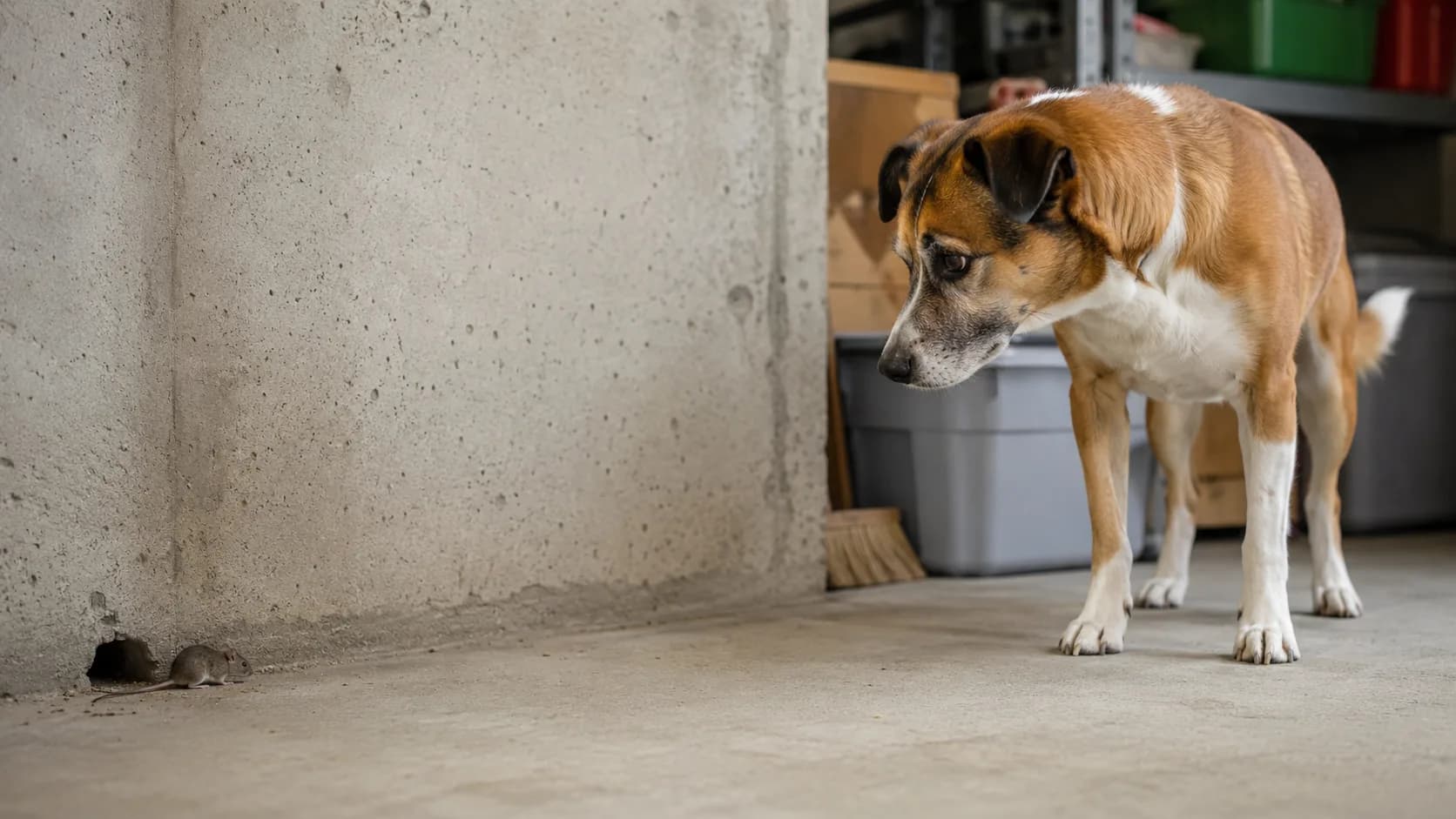
If your dog caught, ate, or carried a mouse, the bigger concern is not usually that your dog now has hantavirus. The concern is that the rodent or the area around it may have exposed people to contaminated urine, droppings, saliva, or nesting material.
What if my dog caught, ate, or brought home a mouse?
Do not grab the rodent with bare hands. Keep children and pets away, put on gloves, and clean the area without sweeping or vacuuming dry material.
Call your vet if your dog ate the rodent, was bitten, has blood around the mouth, is vomiting, has diarrhea, seems lethargic, or may have eaten rodent poison. Rodent poison is often a more immediate danger to the dog than hantavirus.
What if my dog was digging in a rodent nest?
Move your dog away from the area and keep them out until it is cleaned. Avoid shaking blankets, sweeping, vacuuming, or brushing dry dirt from the area in a way that creates dust.
If your dog has dirt or nesting material on their coat, wipe them down gently with a damp towel while wearing gloves. Wash your hands afterward. If there was heavy rodent contamination, ask local public health guidance or a pest professional before doing a major cleanup.
What about prairie dogs and hantavirus?
Prairie dogs are rodents, so people sometimes ask about prairie dog hantavirus. The safest practical rule is not to handle wild rodents, burrows, droppings, or nesting material without proper precautions.
If your dog was around prairie dogs, burrows, or rodent colonies, keep them away from the area and watch for bites, wounds, parasites, or illness. Contact your vet if your dog was bitten, ate a wild rodent, or starts acting sick.
Hantavirus Symptoms in Dogs vs. People
Most searches for “hantavirus symptoms in dogs” come from worried owners who saw a mouse, found droppings, or noticed their dog sniffing around a nest. That fear makes sense, but the symptom focus needs to be separated: dogs are not expected to show classic hantavirus illness, while people can become seriously ill after rodent exposure.
Signs to watch for in dogs
There are no typical “hantavirus symptoms in dogs” that owners should rely on. If your dog is sick after rodent contact, think more broadly.
Call your vet if your dog has:
- Vomiting or diarrhea
- Weakness or unusual tiredness
- Coughing or trouble breathing
- Fever or shaking
- Wounds, swelling, or signs of a bite
- Blood around the mouth
- Loss of appetite
- Possible rodent poison exposure
Those signs may point to a different rodent-related problem that still needs veterinary attention.
Symptoms to watch for in people after rodent exposure
People should take symptoms seriously if they recently cleaned rodent droppings, entered a rodent-infested shed, handled nesting material, found dead rodents, or had dust exposure in an area with rodent activity.
Early symptoms can include fever, fatigue, muscle aches, headache, dizziness, chills, nausea, vomiting, diarrhea, or belly pain. Later symptoms can include coughing and shortness of breath.
If a person develops symptoms after possible rodent exposure, they should contact a healthcare provider and mention the exposure clearly.
What To Do If Your Dog Was Around Rodents
Start by separating the dog from the area. Then figure out what actually happened: did the dog sniff a mouse, carry one inside, dig in nesting material, eat a rodent, or just walk through a dusty garage?
The next step depends on the type of exposure.
If your dog touched rodent droppings, urine, or nesting material
Keep the dog away from the contaminated area. Do not sweep, vacuum, or brush dry material into the air. If needed, wipe your dog’s paws or coat with a damp towel while wearing gloves.
Wash your hands afterward and clean any surfaces your dog touched. If the area has heavy rodent contamination, consider calling pest control or local public health for safe cleanup advice.
If your dog brought a dead mouse or rodent inside
Put on gloves and remove the rodent without touching it directly. Keep the dog, children, and other pets away from the area until it is cleaned.
Do not shake out rugs, sweep dry debris, or vacuum around the rodent right away. The main goal is to avoid stirring contaminated dust into the air.
If your dog ate a mouse or was bitten by one
Call your vet. A dog that ate a mouse may have stomach upset, parasites, bacterial exposure, injury, or possible rodenticide exposure if the mouse had eaten poison.
If your dog was bitten, your vet may want to check the wound, discuss infection risk, and confirm whether any vaccines or treatments are needed.
How To Clean Rodent Droppings Safely Around Dogs
Keep dogs and children out of the cleanup area. Open windows or doors if you can do so safely, and avoid anything that sends dry dust into the air.
Do not sweep or vacuum dry rodent droppings, urine, or nesting material. Wet the area with an appropriate disinfectant according to label directions before wiping or removing material.
Wear gloves, dispose of contaminated material carefully, and wash your hands well afterward. Clean any surfaces the dog may have touched after being in the rodent area.
For heavy infestations, multiple nests, many droppings, dead rodents, or rodent activity in a vehicle, crawl space, shed, or cabin, it may be safer to use a professional pest or cleanup service.
When To Call a Doctor or Vet
Hantavirus questions often involve both pet safety and human safety. The dog may need a vet for rodent-related injuries or illness, while people may need medical care if they develop symptoms after rodent exposure.
When to call a doctor
Call a healthcare provider if you had rodent exposure and develop fever, muscle aches, fatigue, vomiting, diarrhea, dizziness, coughing, or shortness of breath.
Tell the doctor about the rodent exposure. That detail matters because early hantavirus symptoms can look like other illnesses.
When to call a vet
Call your vet if your dog ate a rodent, was bitten, has wounds, is vomiting, has diarrhea, seems weak, is coughing, is breathing oddly, refuses food, or may have been exposed to rodent poison.
Do not wait for “hantavirus symptoms” in the dog. If your dog seems sick after rodent exposure, your vet should help sort out the most likely cause.
Bottom Line
Dogs are not the main hantavirus risk, and they are not known to directly spread hantavirus to people. The real concern is infected rodents and contaminated droppings, urine, saliva, or nesting material.
If your dog caught a mouse, dug in a rodent nest, or tracked dirt from a rodent area, focus on safe cleanup and keeping people away from contaminated dust. Call your vet if your dog ate a rodent, was bitten, or acts sick.
If a person in the home develops flu-like symptoms, coughing, or shortness of breath after rodent exposure, contact a healthcare provider and mention the exposure.